LotSign in

Every bottle, finally visible.

Point a phone at a bottle. Lot reads the label and builds your inventory automatically.

Sign in

Uploading...

Reading label...
Nitric acidConfirmed
68-70%
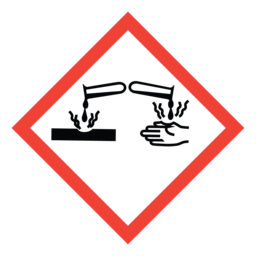
Corrosive
1Capture

Shoot the label, not the paperwork

Point the phone at the label and press the shutter. That's the whole interaction - no barcode to find, nothing to type. A curved or crowded label can take a few angles, grouped into one bottle.

SIGMA-ALDRICHNitric acid68–70%ACS reagent500 mL239313-500G
LotAddRemove
Scanning into Flammables

One tap. No typing, no barcode, no spreadsheet.

2Extract

Vision AI reads the label for you

The photo saves immediately and extraction runs in the background. Brand, chemical name, size, and hazards land in the record automatically.

Nitric acid

AI read
Brand
Sigma-Aldrich
Container
500 mL
Catalog #
239313-500G
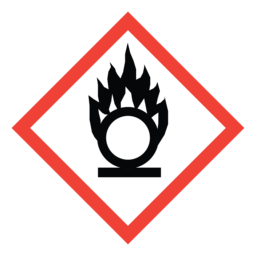
CorrosiveFlammable
3Organize

Every bottle finds its shelf

Grouped by compound and grade, filed to a room or cabinet, and checked against hazard storage rules the moment it lands.

Flammables cabinet3 chemicals
  • Sulfuric acid

    95-98%
    Confirmed
  • Acetone

    ≥99.5%
    To review
  • Sodium hydroxide

    pellets
    Confirmed
For EHS teams

Every pickup, without the data entry

A pickup works one way today: the lab requests it, EHS walks over, reads what is written on the container's tag, types it into their own system, and leaves with the chemical. That retyped copy is the only record of what left the building.

Photograph the tag instead. Lot reads the contents and their percentages, the hazards that were ticked, the generator, the room and the date the container was full - handwriting included - into a record that is searchable and exportable the moment the waste is collected.

HAZARDOUS WASTE
LotWaste
Picking up in MIT 18-301

Photograph the tag at the drum.

Hazardous waste148 tags
HAZARDOUS WASTE

Acetone 60% + Methanol 30% + Water 10%

IgnitableToxic
Tag says
18-301
Picked up in
Bldg 18, Rm 301
Generator
H. Ju
Container full
Aug 12, 2026

A continuous inventory, not a scramble at the end

The same argument runs upstream of the waste tag. When every lab in a company or research institute keeps its own inventory as it goes, EHS stops reconstructing what is on site and starts reading it.

A full view of the risk

Each lab builds its inventory continuously, as bottles arrive and get used up. EHS sees what is actually held across all of them - not a snapshot from the last time somebody was asked to go and count.

Closures and moves start from a record

When a lab shuts down or relocates, the inventory already exists. Nothing has to be rebuilt from scratch: the list of what needs disposing of or moving is the one that has been kept all along.

Hours instead of days, from a standing start

Not deployed there yet? A closing lab still has to record every chemical it is throwing away, which today is done by hand over days. Photographing the shelves gets to the same inventory in an afternoon.

Features for every part of inventory and EHS management

Multiple angles, one reading

A bottle can carry several photos. They go to the model in a single request, so it can compare a sharp angle against an obscured one instead of picking a winner between separate calls.

One tap to the supplier page

Brand text is matched against a supplier registry, and a catalog number builds a direct link to the product page, probed server-side when a supplier hides it behind an unlabeled sub-brand.

Sigma-Aldrich 239313-500G

Hazard-aware safety report

Extracted GHS pictograms are checked against which cabinets are approved to store them, plus expired item tracking, live on the inventory page.

FlammableCorrosiveCompressed Gas

Never double-count a duplicate

A fresh capture that matches an active item's chemical name, catalog number, and container size gets flagged for a human to confirm. Never auto-merged: a photo can't prove two bottles are physically the same one.

Removed ≠ Archived

Two different reasons a bottle leaves the list, kept apart on purpose:

Removed, used up Archived, bad scan

Search that understands grades

A chemical GROUP (“Nitric acid”) and a CHEMICAL at one grade (“Nitric acid 68-70%”) are different things. Typeahead and on-hand totals never merge them, and totals are never summed across grades.
HNO368-70%90%

Private shelves, shared labs

Every user, item, and room belongs to a tenant. Sharing has three modes: none, all, or per-cabinet. An unshared private inventory isn't even listed to anyone else.

A built-in QA queue

A For Review tab surfaces a sampled or flagged bottle next to a deep link back to its own photo, growing the app's ground truth for free.

On the roadmap

Coming soon

One-tap reorder

The supplier link above already resolves to the exact product page. Next: reorder that same bottle without leaving Lot.

Coming soon

Expiry & low-stock alerts

Expiry dates and on-hand totals are already tracked. Next: a heads-up before something runs out or goes bad, not just a flag on the page.

Coming soon

Auto check-in on delivery

Link a new order to Lot and it registers itself on arrival, so a returning shelf stays current without a full rescan.

Want early access?

Leave your email and we'll reach out to get your lab set up.

Already have an account?

Ready to see what's on the shelf?

Sign in
LotBuilt in Cambridge, MAv2.5.0Legal